Machinery-Related Injuries: Who’s at Fault When Equipment Fails?
Workplaces throughout Massachusetts rely on heavy machinery and equipment to operate efficiently. In construction sites, factories, warehouses, and beyond, employees and contractors rely on machines every day to perform critical tasks. When equipment fails or malfunctions, the consequences can be devastating. Severe injuries, long recoveries, and lost wages are too common. After an accident, important questions can arise about who is legally responsible for injuries.
Common Causes of Machinery-Related Injuries
Machinery accidents can happen in many industries. Some of the most frequent causes include:
- Defective equipment design or manufacturing errors, including design flaws, faulty parts, or lacking safety features, can lead to accidents and injuries.
- Poor maintenance, including worn parts, improper lubrication, or skipped inspections.
- Improper use, including instances where workers are not provided with proper training or supervision.
- Failure to provide safety precautions, such as when employers or manufacturers fail to provide appropriate protective equipment.
Understanding the root cause of an accident is the first step toward determining liability.
Who May Be Held Liable for Equipment Failures?
Liability for machinery-related injuries often depends on the circumstances surrounding the accident. Key parties that may be held responsible include:
Equipment Manufacturers
If an injury occurs because the machine itself is unsafe due to a design flaw, defective part, or inadequate safety warnings, the manufacturer may be held accountable under product liability laws. These cases typically require victims to prove that the equipment was dangerous when it left the manufacturer’s control.
Employers
Employers are responsible for providing workers with a safe environment. If the injury occurs because an employer fails to maintain equipment, provide adequate safety training, install protective guards, or comply with OSHA regulations, then they may be held responsible. Workers’ compensation generally covers employees, but they may qualify for additional legal remedies.
Machine Operators or Third Parties
Sometimes, injuries can result from the negligence of another worker, contractor, or supervisor. If a co-worker improperly uses a machine or ignores safety procedures, they or their employer may be liable.
Injuries Commonly Caused by Machinery Failures
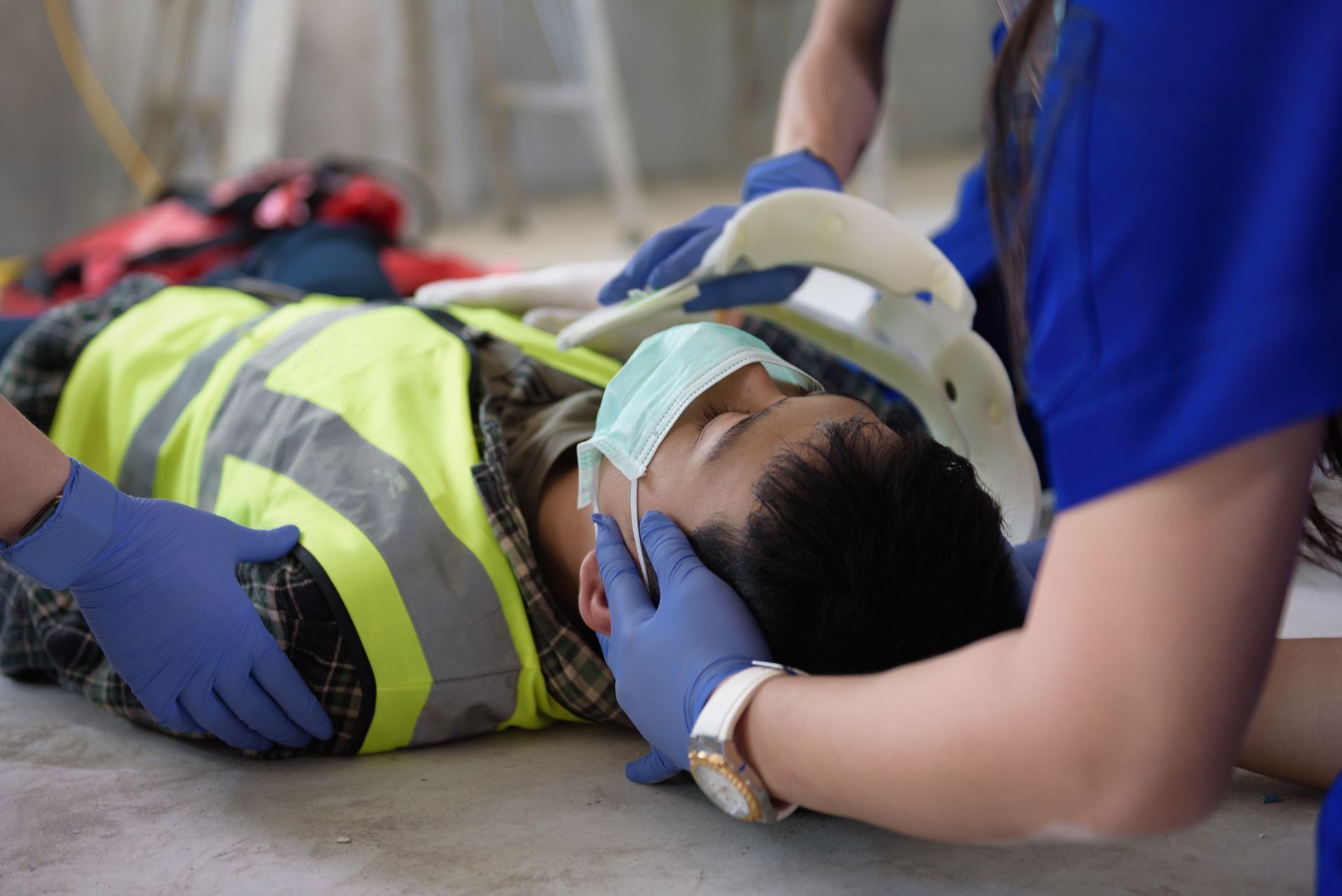
When heavy equipment or industrial machines fail, injuries can be catastrophic. Victims may suffer:
- Crushed limbs or amputations,
- Severe lacerations or burns,
- Spinal injuries or broken bones,
- Or traumatic brain injuries.
These types of injuries often require long-term medical care and can permanently impact a person’s ability to work. Victims deserve compensation for such injuries.
What to Do After a Machinery-Related Injury
If you or a loved one has been injured by machinery, take immediate steps to protect your health and legal rights.
- Seek medical attention immediately, even if the injury seems minor. Medical documents can be crucial in proving a claim.
- Report the accident to your employer or site manager.
- Document everything. Take photos of the equipment, injuries, and worksite.
- Do not repair or alter the machine until it has been inspected.
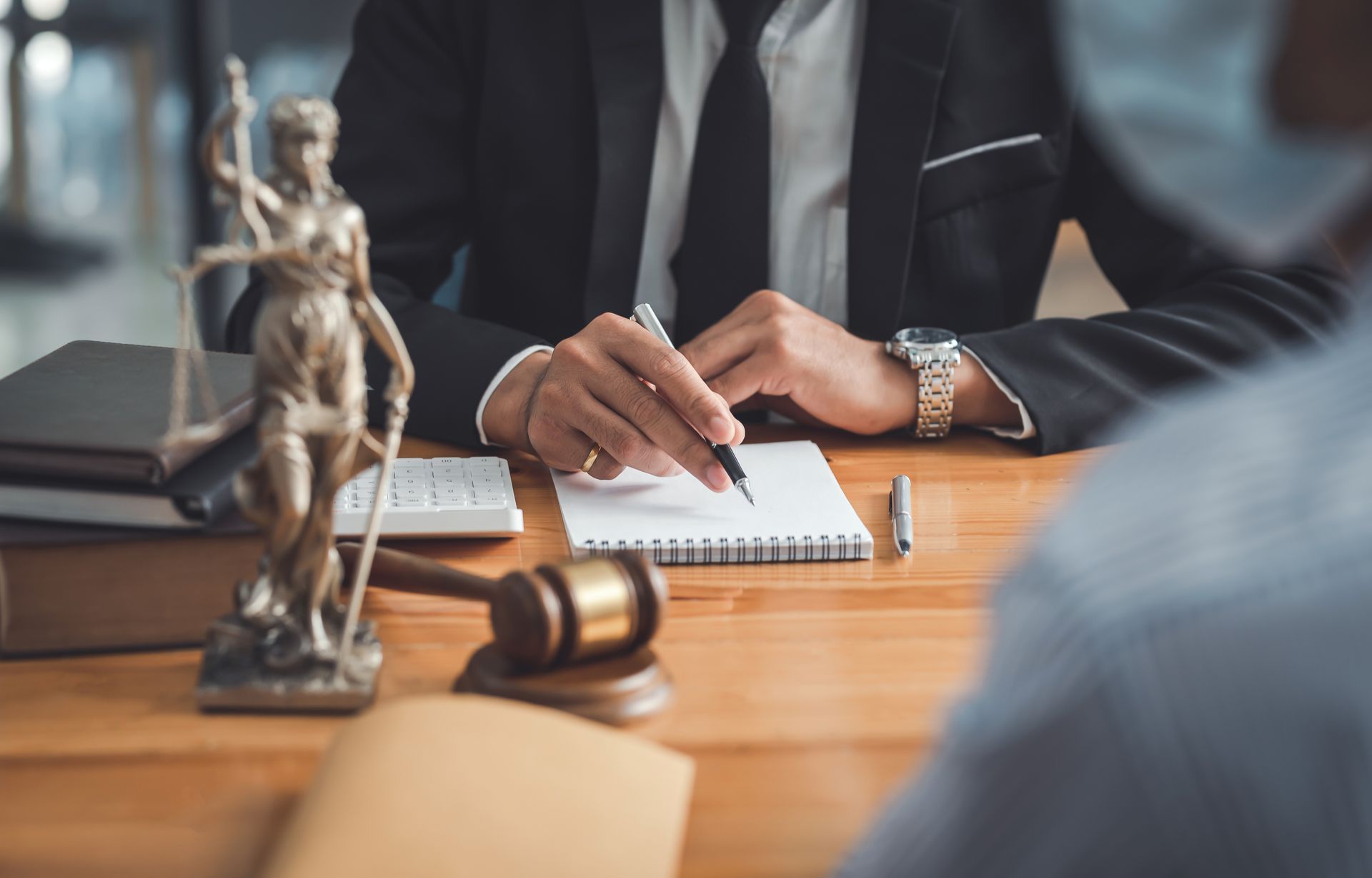
- Speak with an experienced personal injury attorney who can investigate and determine liability.
Why Legal Representation Matters
Machinery-related injury cases often involve multiple parties and complex liability issues. Manufacturers can deny responsibility, employers may insist that workers’ compensation is the only option, and insurance companies frequently attempt to minimize payouts.
Having a skilled personal injury lawyer on your side ensures that your case is investigated thoroughly and you receive the compensation you deserve. At The Law Offices of Morton J. Shuman, P.C., we have decades of experience helping injury victims across Massachusetts.
If you’ve been hurt in a machinery-related accident, contact The Law Offices of Morton J. Shuman, P.C., for a free consultation. We can help you determine who’s at fault and fight for your rights every step of the way.